
Understanding the Talc Debate What You Need to Know
Talc sounds simple. It is a soft mineral ground into a fine powder, used for decades to absorb moisture and reduce friction. Yet few consumer ingredients have stirred as much concern, confusion, and courtroom attention.
The debate is not just about baby powder. It touches cosmetics, industrial products, cancer research, asbestos testing, product labels, and trust in safety oversight. Some people see talc as a familiar household staple. Others see it as a product that should have faced tougher scrutiny much earlier.
This guide explains the talc debate in plain language: what talc is, why asbestos matters, what the research does and does not show, and how to make practical choices as a consumer.
This article is for general information only. It is not medical or legal advice.
Talc is a natural mineral with useful properties
Talc is a naturally occurring mineral made mostly of magnesium, silicon, and oxygen. In its powdered form, it feels silky and dry. That texture explains why manufacturers have used it in personal care products for so long.
Talc can help:
Absorb moisture
Reduce rubbing on skin
Improve the feel of cosmetic powders
Prevent caking in some products
Add smoothness to makeup and body powders
You may see talc listed in ingredient labels for products such as:
Body powder
Face powder
Blush
Eye shadow
Deodorizing powders
Some industrial materials
The mineral itself is not the whole issue. The larger concern comes from where talc forms in the earth.
Talc deposits can occur near asbestos deposits. Asbestos is a group of minerals with thin fibers that can cause serious disease when inhaled. If talc is mined from areas near asbestos, the talc can become contaminated unless companies use careful sourcing and testing.
That is the central point behind much of the public concern. People are not only asking whether talc has useful qualities. They are asking whether companies can consistently keep asbestos out of talc products.
Asbestos is the reason the debate became serious
Asbestos has a long and well-documented link to cancer, especially mesothelioma, a rare cancer often tied to asbestos exposure. It is also linked to lung cancer and other diseases. The risk comes mainly from breathing in asbestos fibers, which can lodge in the body and cause harm many years later.
That is why even small amounts of asbestos contamination in a product designed to be used near the face or body raise concern.
The phrase “asbestos-free talc” sounds reassuring, but testing is not always simple. Talc and asbestos can be difficult to distinguish in some mineral samples. Different testing methods may vary in sensitivity. A product can test clean under one method and still come under scrutiny if another method detects fibers.
This does not mean every talc product contains asbestos. It means the safety question depends on several factors:
Where the talc was mined
How the raw mineral was tested
Which lab methods were used
How often batches were tested
Whether companies kept clear records
How regulators reviewed the products
The key question is not whether talc can be made safely. The key question is whether every product on the shelf has been sourced and tested well enough to earn that trust.
For consumers, that distinction matters. A familiar product can still carry uncertainty if its supply chain is hard to verify.

The cancer questions are not all the same
The talc debate often gets reduced to one question: Does talc cause cancer? The better way to understand it is to separate the concerns.
Talc contaminated with asbestos
This is the clearest safety issue. Asbestos is a known carcinogen. If talc contains asbestos, it raises serious health concerns, especially if particles can be inhaled.
Most people agree on this point. The hard part is proving whether a specific product, from a specific source, contained asbestos at a specific time.
That challenge has played a major role in lawsuits. People who developed cancers such as mesothelioma have argued that talc products exposed them to asbestos. Companies have often disputed those claims, pointing to testing, regulatory standards, or other possible sources of exposure.
Genital use of talc-based body powder
Another major concern involves long-term use of talc powder in the genital area and a possible link to ovarian cancer. Some studies have reported an association. Other studies have found weaker links or no clear connection.
Research in this area is difficult because it often depends on people remembering product use over many years. Risk can also be affected by family history, genetics, reproductive history, and other factors.
That does not make the concern meaningless. It means the science has been mixed, and different experts have weighed the evidence differently.
A cautious summary is fair: some research suggests a possible association between genital talc use and ovarian cancer, but the evidence has not settled every question.
Inhalation of powder
Fine powders can irritate the lungs, especially for babies, older adults, or people with breathing problems. This concern applies to more than talc. Cornstarch powder and other loose powders can also be inhaled if used heavily or shaken into the air.
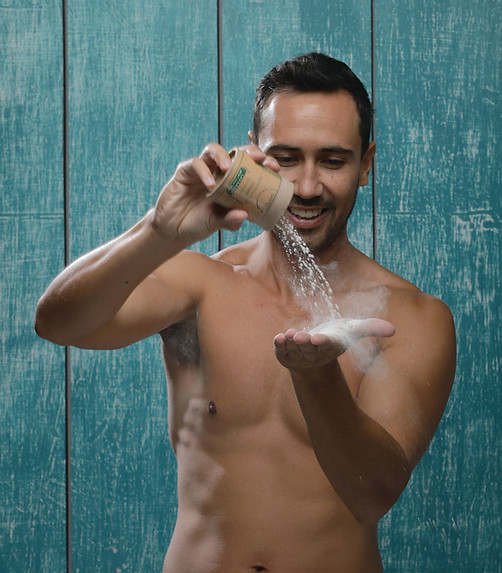
The practical point is simple. Avoid creating powder clouds near the face. If using any powder, apply it to hands first and keep it away from the nose and mouth.
Lawsuits have shaped public awareness
The talc debate moved from scientific journals to front-page news largely because of lawsuits. Many cases have involved allegations that long-term talc use contributed to cancer or that products contained asbestos.
Some juries have sided with plaintiffs. Some verdicts have been reduced, reversed, or challenged on appeal. Companies have denied wrongdoing in many cases and argued that their products were safe when used as directed.
This back-and-forth can make the issue hard to follow. A large verdict may sound like final proof. A successful appeal may sound like full exoneration. In reality, lawsuits answer legal questions based on evidence presented in court. They do not always settle scientific questions for every product and every user.
The litigation has still had a major effect. It brought internal company records, testing practices, expert testimony, and historical sourcing questions into public view. It also pushed more consumers to check labels and ask whether talc was necessary in products they use every day.
Many brands have responded by changing formulas. Some personal care products that once used talc now use cornstarch, arrowroot, rice starch, silica, or other ingredients. A well-known baby powder brand also moved away from talc-based versions in several markets and shifted toward cornstarch-based powder.
That market shift says something. Even when companies defend past products, many recognize that consumers now prefer simpler, talc-free options.

Regulators and companies focus on testing and labeling
In the United States, cosmetics do not go through the same premarket approval process as prescription drugs. Companies carry the responsibility to make sure their cosmetic products are safe and properly labeled. Regulators can inspect, test, issue alerts, and take action when products pose a risk.
For talc, the regulatory challenge centers on detecting asbestos reliably. Agencies and scientific groups have continued to examine testing methods and standards. Consumer advocates often argue for stricter rules, more transparent test results, and more sensitive methods. Industry groups often point to existing quality controls and the long history of talc use.
The tension is easy to understand. Consumers generally cannot test a powder at home. They have to rely on:
Company sourcing standards
Independent lab testing
Regulatory oversight
Clear ingredient labels
Public recalls or safety notices
Trustworthy communication
A label can tell you whether a product contains talc, usually listed as `talc` in the ingredients. A label usually cannot tell you where the talc came from, how often it was tested, or which method was used.
That gap between ingredient labeling and supply chain transparency fuels much of the concern.
How to make safer choices without panic
The talc debate can feel overwhelming because it combines science, law, and personal habits. A practical approach works better than fear.
Start by checking the products already in your home. Look at loose powders first, especially products used on the body or near the face. Cosmetics may also contain talc, but pressed powders are less likely to create airborne clouds than loose powders.
If you want to avoid talc, look for products labeled talc-free and read the full ingredient list. Common alternatives include:
Ingredient | Where it often appears | What to keep in mind |
Cornstarch | Body powders and baby powders | Still avoid inhaling dust |
Arrowroot powder | Natural body powders | Texture varies by product |
Rice starch | Cosmetics and powders | Can feel light and smooth |
Silica | Makeup and oil-control products | Common in cosmetics, use as directed |
Kaolin clay | Face powders and dry products | Can feel heavier on skin |
For baby care, many pediatric health sources advise caution with any loose powder because babies can inhale fine particles. Creams or ointments may be better options for diaper-area moisture and friction, depending on the situation.
For adults, the choice depends on comfort level. Some people prefer to stop using talc completely. Others may continue using talc-containing pressed cosmetics from brands they trust. Both choices should rest on clear information, not marketing claims alone.
A few simple habits can reduce exposure to airborne powder:
Do not shake powder directly onto the body
Keep powder away from the face
Apply a small amount to your hands first
Use products in well-ventilated areas
Avoid powder use around infants
Throw away old products if labels are missing or unclear
If you have a history of cancer, past asbestos exposure, or symptoms that worry you, talk with a qualified health professional. If you believe a product caused harm, speak with a qualified attorney who can review the facts of your situation.

The real takeaway from the talc debate
The talc debate is not a simple story of safe or unsafe. It is a story about risk, evidence, trust, and how much uncertainty people are willing to accept in everyday products.
A few points are clear. Asbestos exposure is dangerous. Talc can be contaminated if sourcing and testing fail. The evidence around genital talc use and ovarian cancer remains debated, but the concern has been strong enough to change lawsuits, product formulas, and consumer behavior.
For most households, the next step is practical: read labels, reduce powder inhalation, choose talc-free alternatives if that brings peace of mind, and treat sweeping safety claims with caution.
Talc may be a soft mineral, but the questions around it are not soft at all. The best response is steady, informed, and personal: know what is in the products you use, and choose the level of risk you are comfortable with.

Comments